Mar 1, 2026
Why Hermès Protects Scarcity
In luxury, rarity is not a limitation. It is a strategy.
Branding
Culture
Community
Hermès has built one of the most powerful luxury brands in the world by mastering a principle many companies struggle to accept: growth should never compromise perception.
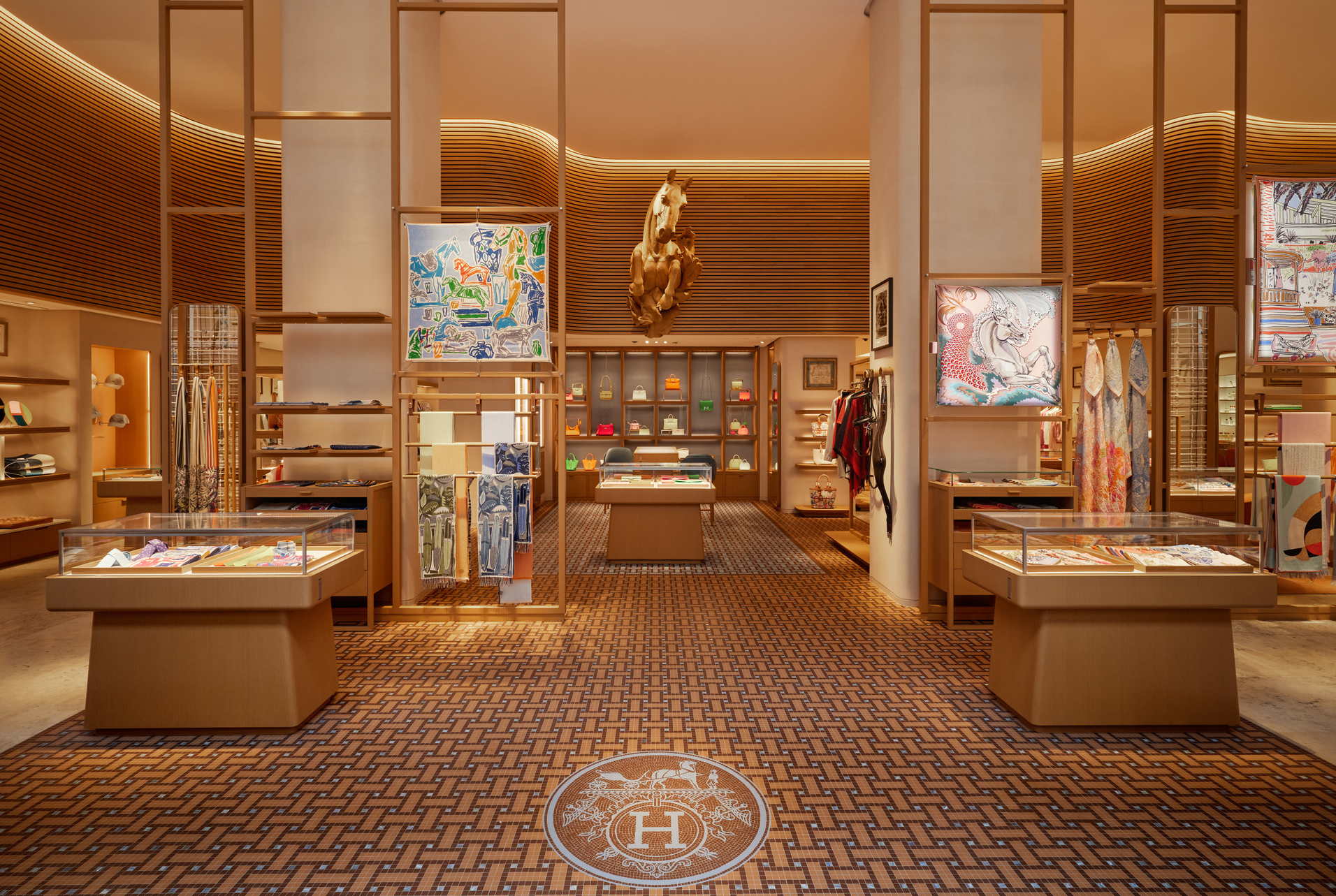
While most businesses pursue scale and mass distribution, Hermès moves in the opposite direction. The brand intentionally limits production, carefully controls distribution, and maintains strict standards around craftsmanship. The result is a brand that feels rare, timeless, and culturally valuable. At Hermès, scarcity is not artificial marketing. It is a structural decision embedded into the way the company operates. Products are made slowly, often by a single artisan who is responsible for crafting an item from beginning to end. This level of craftsmanship naturally limits production capacity. Instead of accelerating manufacturing to meet global demand, Hermès preserves the process. In doing so, it protects the brand’s aura of rarity and reinforces the perception that every piece carries genuine value.
Inspiration
Scarcity creates desire because rarity amplifies meaning.®
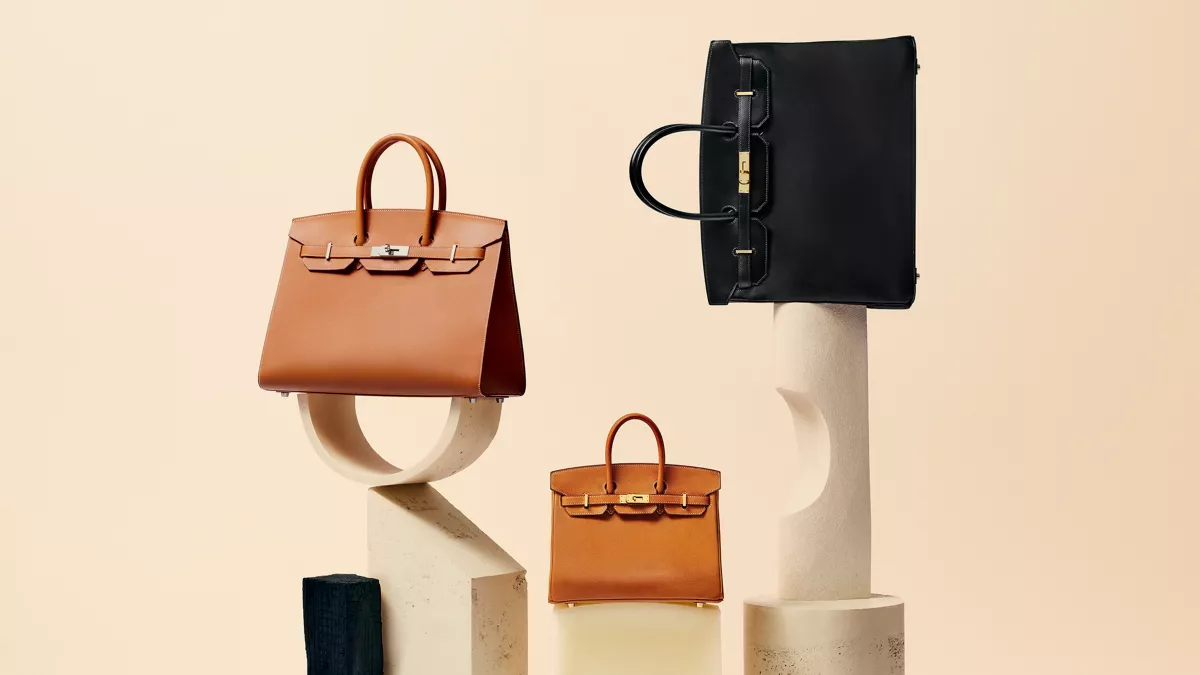
Luxury brands do not compete through volume; they compete through perception. Hermès understands that the moment a product becomes easily accessible, part of its symbolic value disappears. This is why some of the brand’s most iconic pieces, such as the Birkin and Kelly bags, are famously difficult to obtain. Waiting lists, limited availability, and selective distribution transform the purchase into an experience rather than a transaction. This strategy strengthens the emotional relationship between the brand and its customers. Owning a Hermès piece signals patience, taste, and access. The product becomes more than an accessory; it becomes a marker of cultural and social capital.

Legacy
The true power of a luxury brand lies in what it refuses to become.®
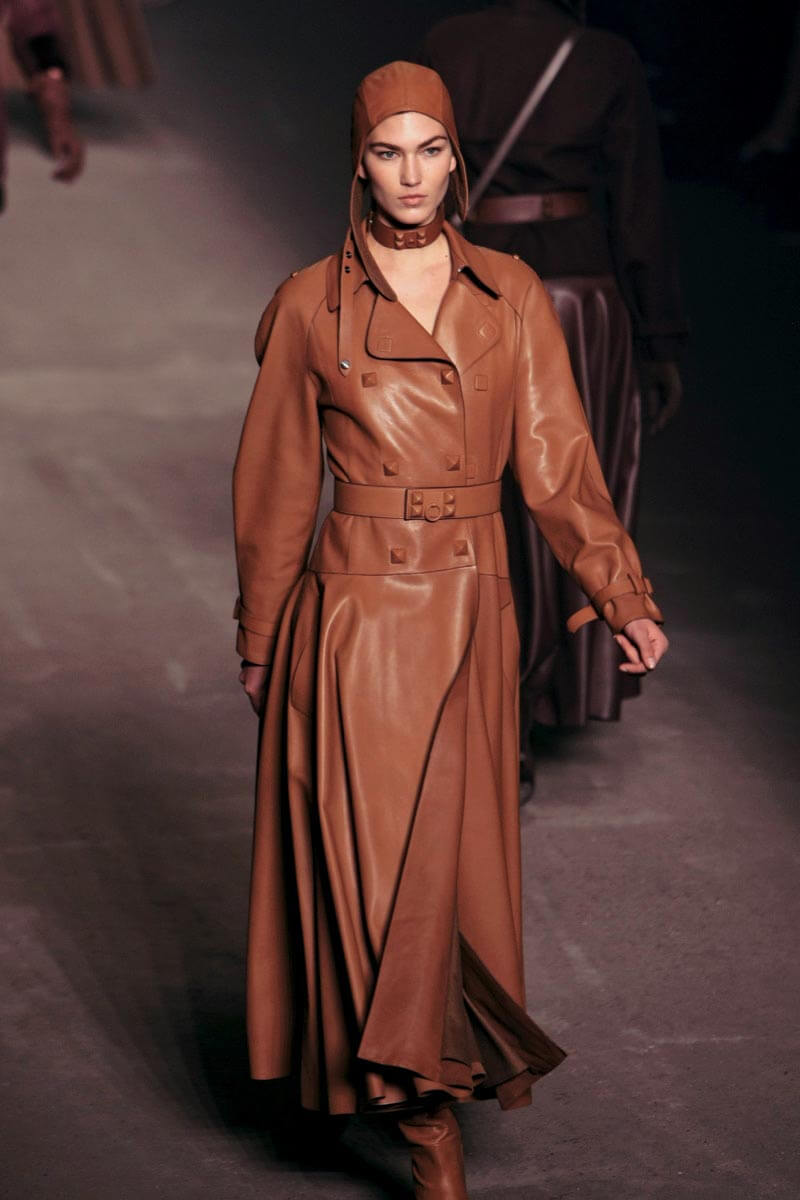
For nearly two centuries, Hermès has protected its independence and its philosophy. The company has resisted the temptation to expand too quickly, license its brand aggressively, or dilute its identity in pursuit of short-term growth. Instead, it has chosen discipline. This restraint has allowed Hermès to maintain one of the strongest brand equities in the luxury industry. Every product, from silk scarves to leather goods, carries the same narrative of heritage, craftsmanship, and exclusivity. Customers do not simply buy Hermès—they invest in a legacy that represents enduring quality and timeless prestige.
Latest Updates
(GQ® — 02)
©2024

Mar 1, 2026
Why Hermès Protects Scarcity
In luxury, rarity is not a limitation. It is a strategy.
Branding
Culture
Community
Hermès has built one of the most powerful luxury brands in the world by mastering a principle many companies struggle to accept: growth should never compromise perception.
While most businesses pursue scale and mass distribution, Hermès moves in the opposite direction. The brand intentionally limits production, carefully controls distribution, and maintains strict standards around craftsmanship. The result is a brand that feels rare, timeless, and culturally valuable. At Hermès, scarcity is not artificial marketing. It is a structural decision embedded into the way the company operates. Products are made slowly, often by a single artisan who is responsible for crafting an item from beginning to end. This level of craftsmanship naturally limits production capacity. Instead of accelerating manufacturing to meet global demand, Hermès preserves the process. In doing so, it protects the brand’s aura of rarity and reinforces the perception that every piece carries genuine value.
Inspiration
Scarcity creates desire because rarity amplifies meaning.®
Luxury brands do not compete through volume; they compete through perception. Hermès understands that the moment a product becomes easily accessible, part of its symbolic value disappears. This is why some of the brand’s most iconic pieces, such as the Birkin and Kelly bags, are famously difficult to obtain. Waiting lists, limited availability, and selective distribution transform the purchase into an experience rather than a transaction. This strategy strengthens the emotional relationship between the brand and its customers. Owning a Hermès piece signals patience, taste, and access. The product becomes more than an accessory; it becomes a marker of cultural and social capital.
Legacy
The true power of a luxury brand lies in what it refuses to become.®
For nearly two centuries, Hermès has protected its independence and its philosophy. The company has resisted the temptation to expand too quickly, license its brand aggressively, or dilute its identity in pursuit of short-term growth. Instead, it has chosen discipline. This restraint has allowed Hermès to maintain one of the strongest brand equities in the luxury industry. Every product, from silk scarves to leather goods, carries the same narrative of heritage, craftsmanship, and exclusivity. Customers do not simply buy Hermès—they invest in a legacy that represents enduring quality and timeless prestige.
Latest Updates
(GQ® — 02)
©2024
Mar 1, 2026
Why Hermès Protects Scarcity
In luxury, rarity is not a limitation. It is a strategy.
Branding
Culture
Community
Hermès has built one of the most powerful luxury brands in the world by mastering a principle many companies struggle to accept: growth should never compromise perception.
While most businesses pursue scale and mass distribution, Hermès moves in the opposite direction. The brand intentionally limits production, carefully controls distribution, and maintains strict standards around craftsmanship. The result is a brand that feels rare, timeless, and culturally valuable. At Hermès, scarcity is not artificial marketing. It is a structural decision embedded into the way the company operates. Products are made slowly, often by a single artisan who is responsible for crafting an item from beginning to end. This level of craftsmanship naturally limits production capacity. Instead of accelerating manufacturing to meet global demand, Hermès preserves the process. In doing so, it protects the brand’s aura of rarity and reinforces the perception that every piece carries genuine value.
Inspiration
Scarcity creates desire because rarity amplifies meaning.®
Luxury brands do not compete through volume; they compete through perception. Hermès understands that the moment a product becomes easily accessible, part of its symbolic value disappears. This is why some of the brand’s most iconic pieces, such as the Birkin and Kelly bags, are famously difficult to obtain. Waiting lists, limited availability, and selective distribution transform the purchase into an experience rather than a transaction. This strategy strengthens the emotional relationship between the brand and its customers. Owning a Hermès piece signals patience, taste, and access. The product becomes more than an accessory; it becomes a marker of cultural and social capital.
Legacy
The true power of a luxury brand lies in what it refuses to become.®
For nearly two centuries, Hermès has protected its independence and its philosophy. The company has resisted the temptation to expand too quickly, license its brand aggressively, or dilute its identity in pursuit of short-term growth. Instead, it has chosen discipline. This restraint has allowed Hermès to maintain one of the strongest brand equities in the luxury industry. Every product, from silk scarves to leather goods, carries the same narrative of heritage, craftsmanship, and exclusivity. Customers do not simply buy Hermès—they invest in a legacy that represents enduring quality and timeless prestige.